


Exceptional scholars
Picower Postdoctoral Fellows are researchers of exceptional ability, originality, resourcefulness, and the highest caliber of intellectual achievement. The fellowships program provides them an opportunity to pursue training under the mentorship of a Picower Institute faculty investigator in any laboratory in the Institute, including the space, resources and support needed to run their own programs and pursue an independent research agenda, freed from the burden and uncertainty of trying to secure grant funding.
Meet the current class of these outstanding researchers below.
And visit here to learn of alumni from this and preceding programs.
Name | Faculty Mentor | Research Summary | |
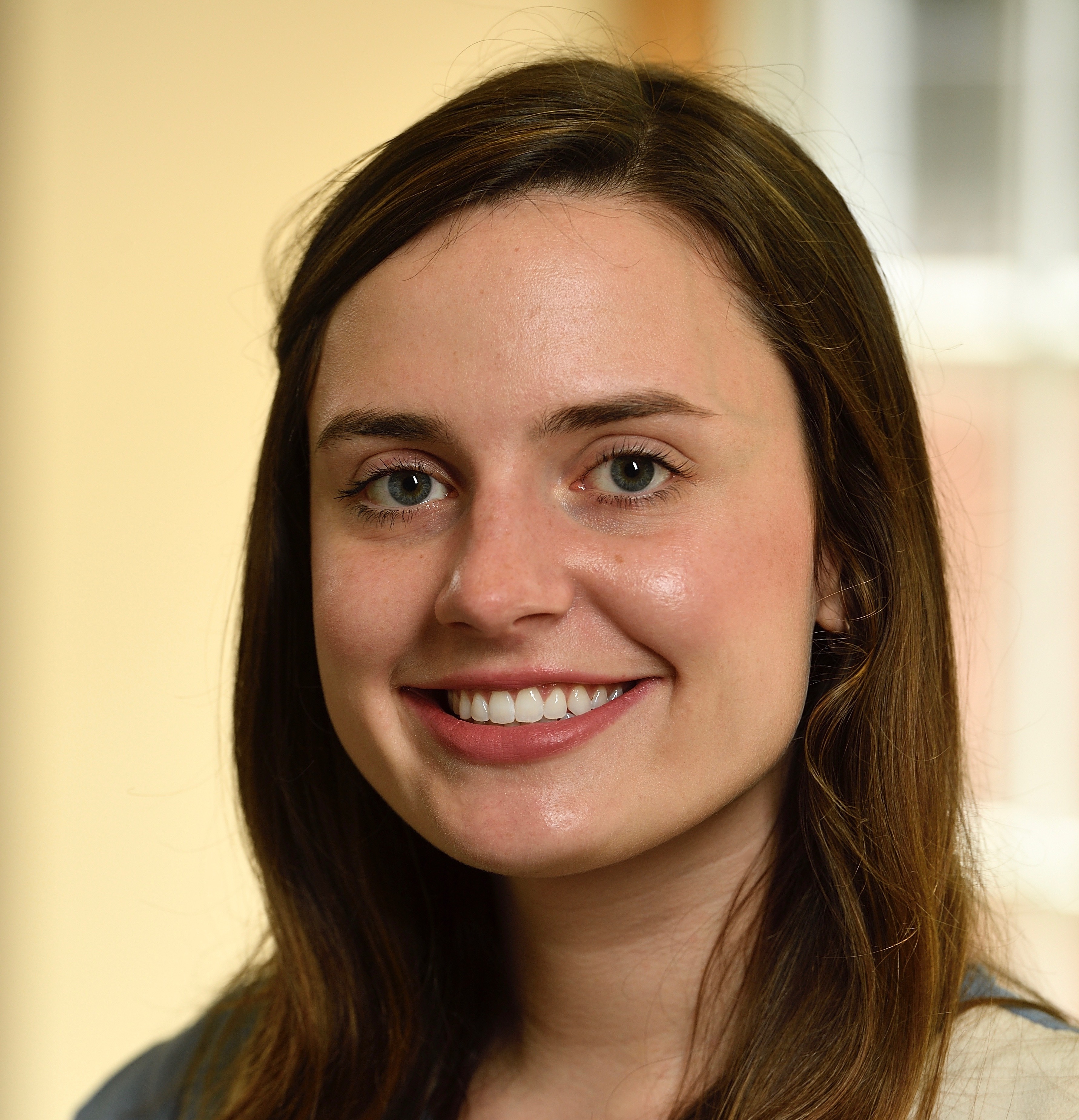
| Macauley Breault | Emery N. Brown | Breault is working on developing biomarkers of unconsciousness from brain signals that can be used to control the state of patients under anesthesia in real-time. For her thesis work she studied the impact that internal states have on behavior and where they are encoded in the brain. |
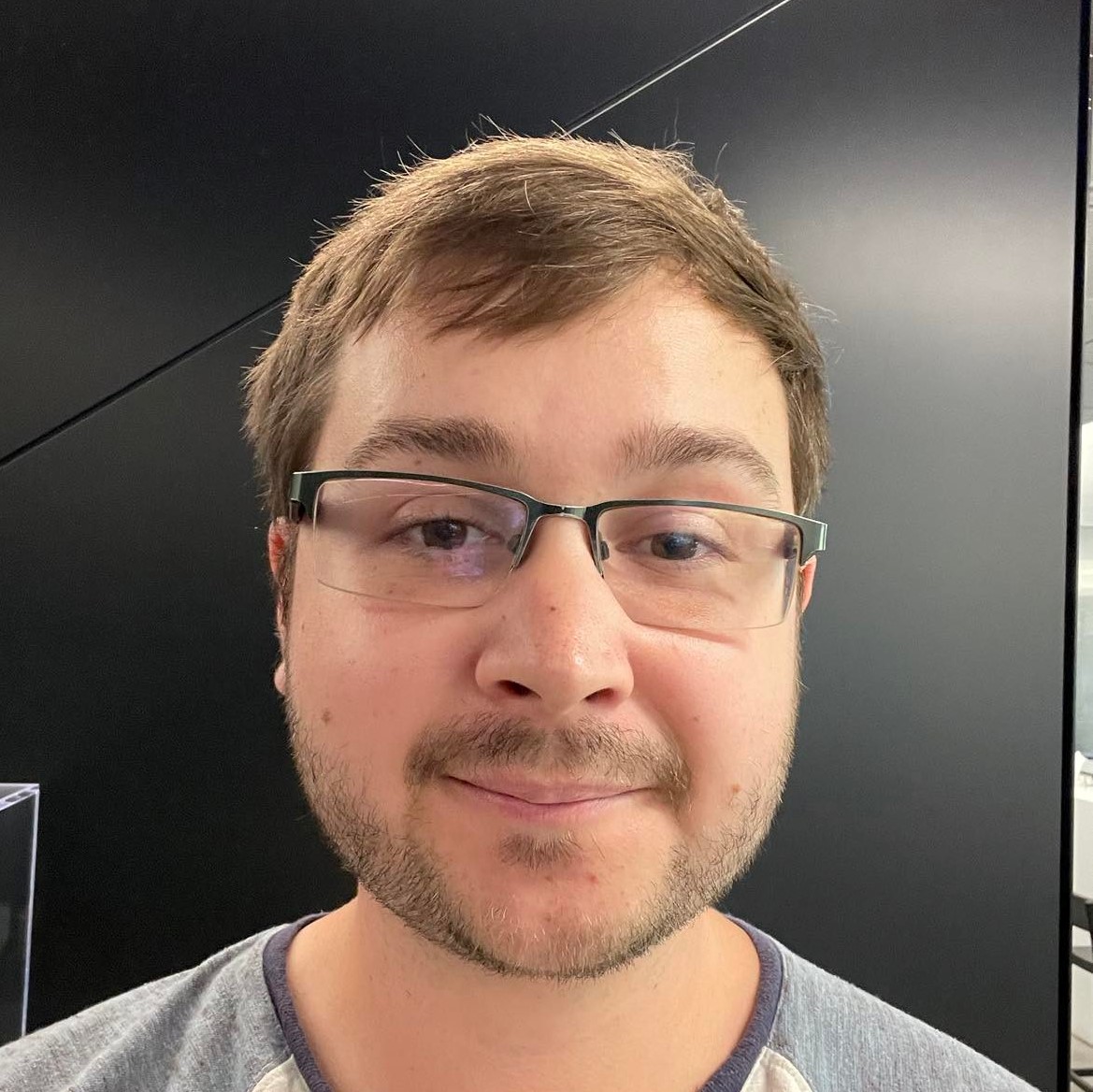
| Matthew Broschard | Earl Miller | Broschard's interest in neuroscience involves applying neurophysiological and computational approaches to extract meaningful patterns from neural data that gain insights into cognitive processes such as working memory, attention, and categorization. He is studying how the brain transfers working memory-related activity across hemispheres as visual targets ‘cross’ between the left and right visual hemifields. |
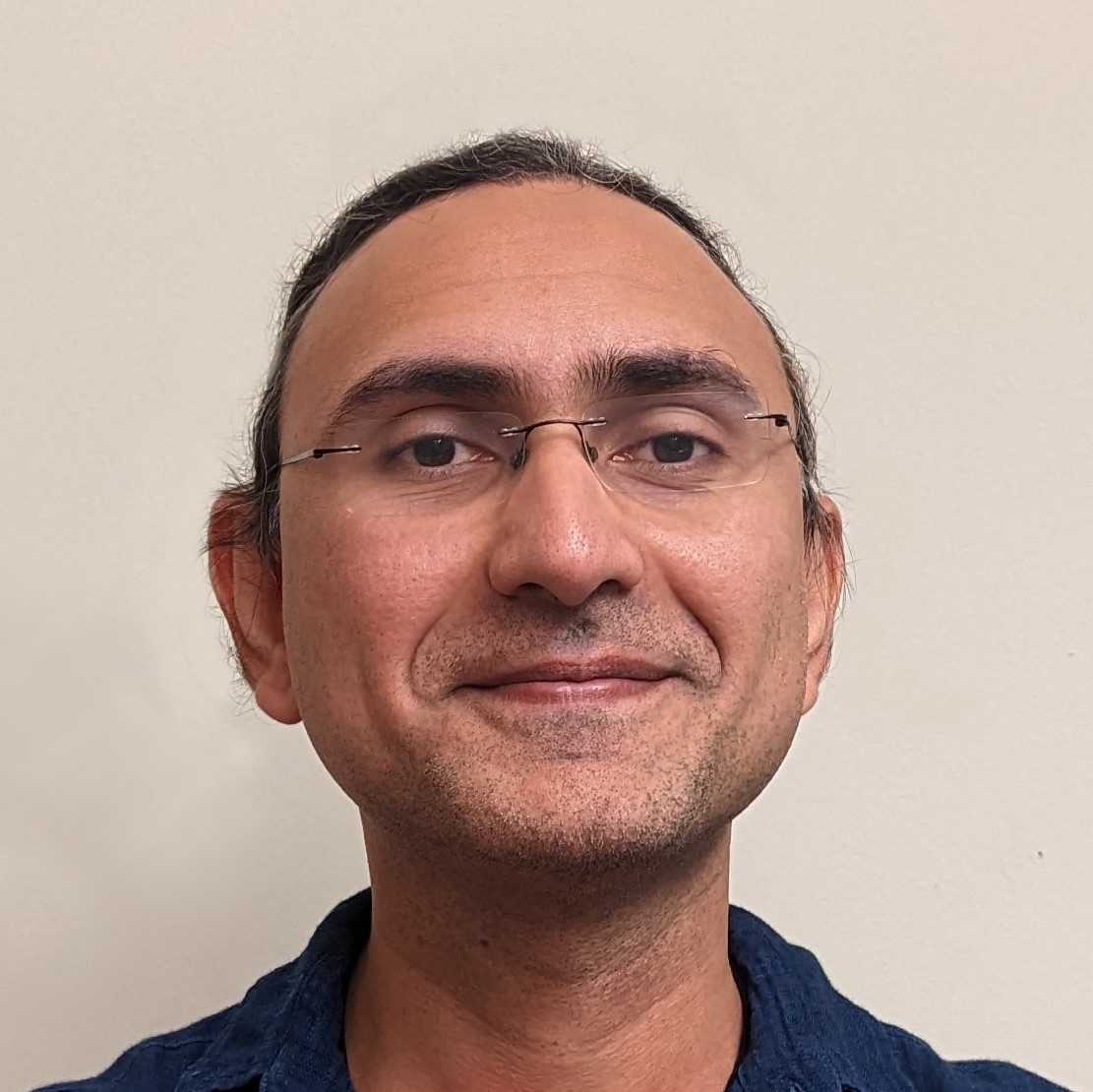
| Tushar Chauhan | Mark Bear | Chauhan's research interest lies in understanding biological sensory computation – and my work strives to investigate the computational strategies biological vision has evolved to process and cope with the dynamic environment we live in. Chauhan will study experimental and computational aspects of visual working memory - primarily investigating how differential axonal-targeting properties of somatostatin- and parvalbumin-expressing cells can lead to regimes where memories can be stored in neural activity across laminar layers |
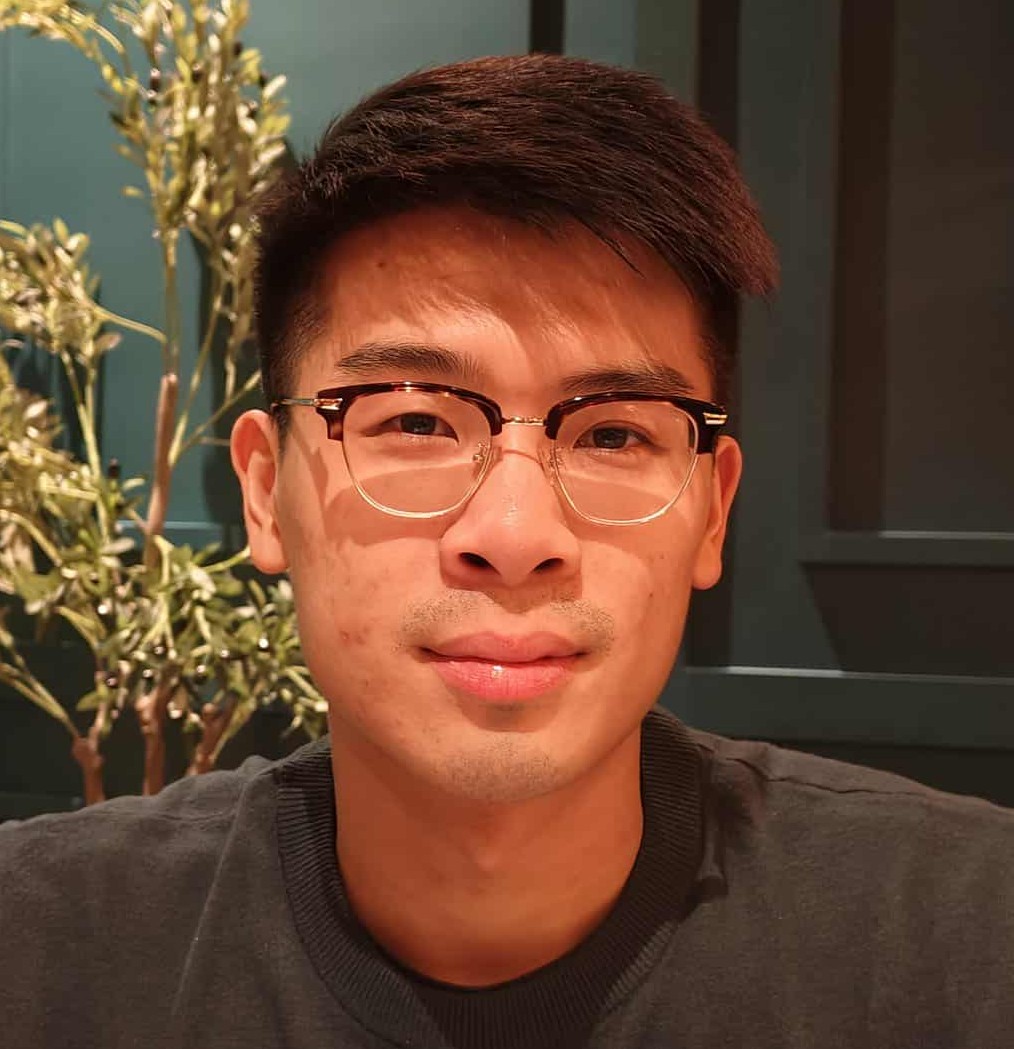
| Kevin Chen | Linlin Fan | Chen is investigating the precise neural activity patterns leading to the activation of immediate early genes (IEGs) and the specific synaptic plasticity mechanisms underlying the encoding of experiences and memory by IEG-expressing ensembles. His approach utilizes paired optogenetics and voltage imaging to probe neural activity patterns in the awake brain during experience. |
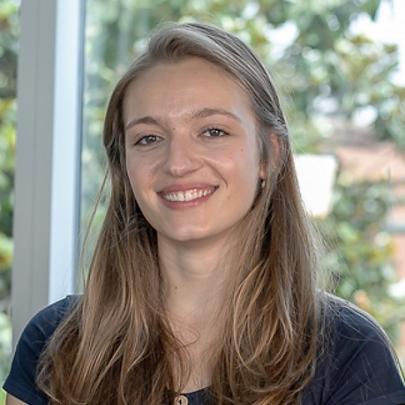
| Tatiana Coverdell | Sara Prescott | Coverdell's research is exploring developmental- and aging-related changes within different subtypes of neurons of the vagus nerve, particularly in the context of early-life challenges. She is using single-cell RNA sequencing techniques to create molecular profiles of these changes. |
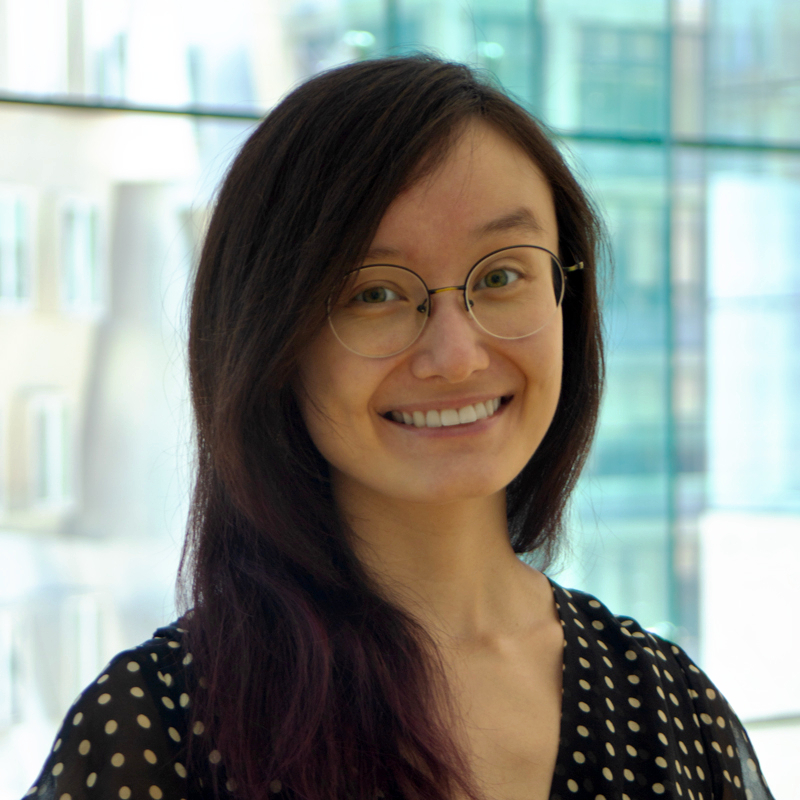
| Audrey Effenberger | Myriam Heiman | Effenberger seeks to better understand the molecular and functional diversity of non-neuronal cell types in the human brain. She studies how oligodendrocyte lineage cells become dysregulated in neurodegenerative diseases such as Huntington’s disease, tauopathies, and vascular dementia. |
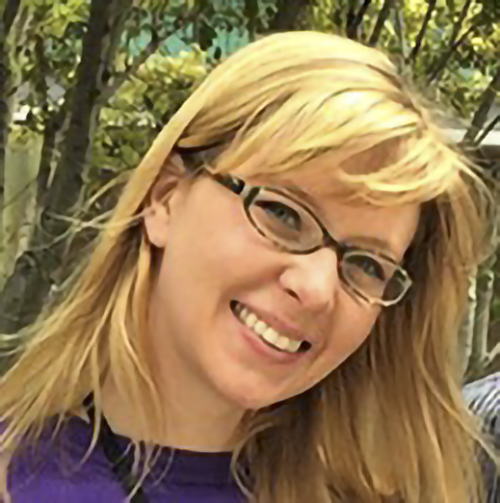
| Cassi Estrem | Steve Flavell | Estrem seeks to unveil the molecular mechanisms of how the nervous system senses signals from the gut and how these molecular pathways impact neuronal circuits to trigger changes in behavior. These studies will have broad implications for how gut microbiota interacts with the nervous system and could illuminate how gut microbiota contributes to neurological disorders. |
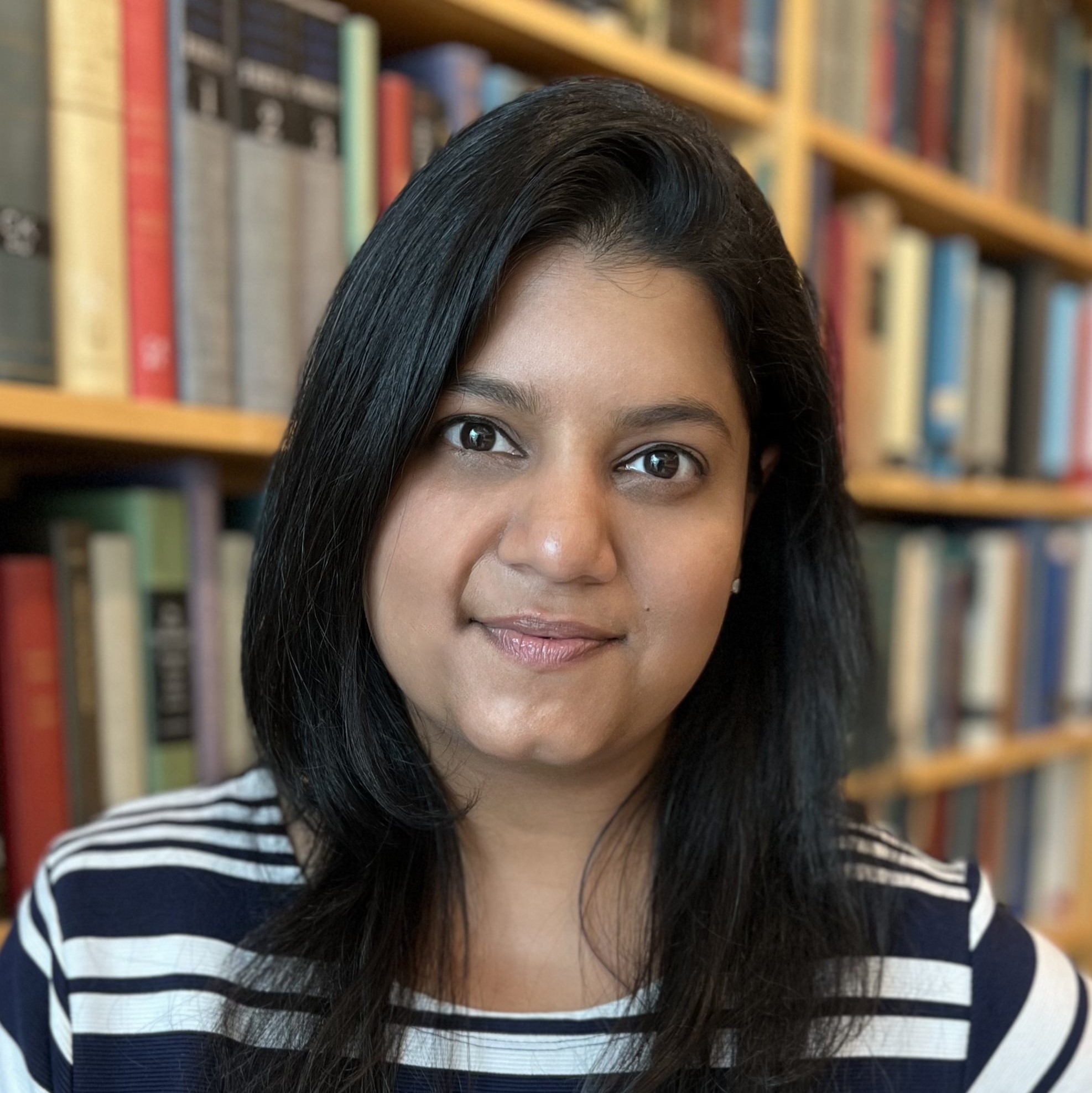
| Giselle Fernandes | Mriganka Sur | Fernandes is examining how noradrenergic circuits may modulate motor deficits in Rett syndrome with methods including 2-photon imaging and computational analyses of neural activity. |
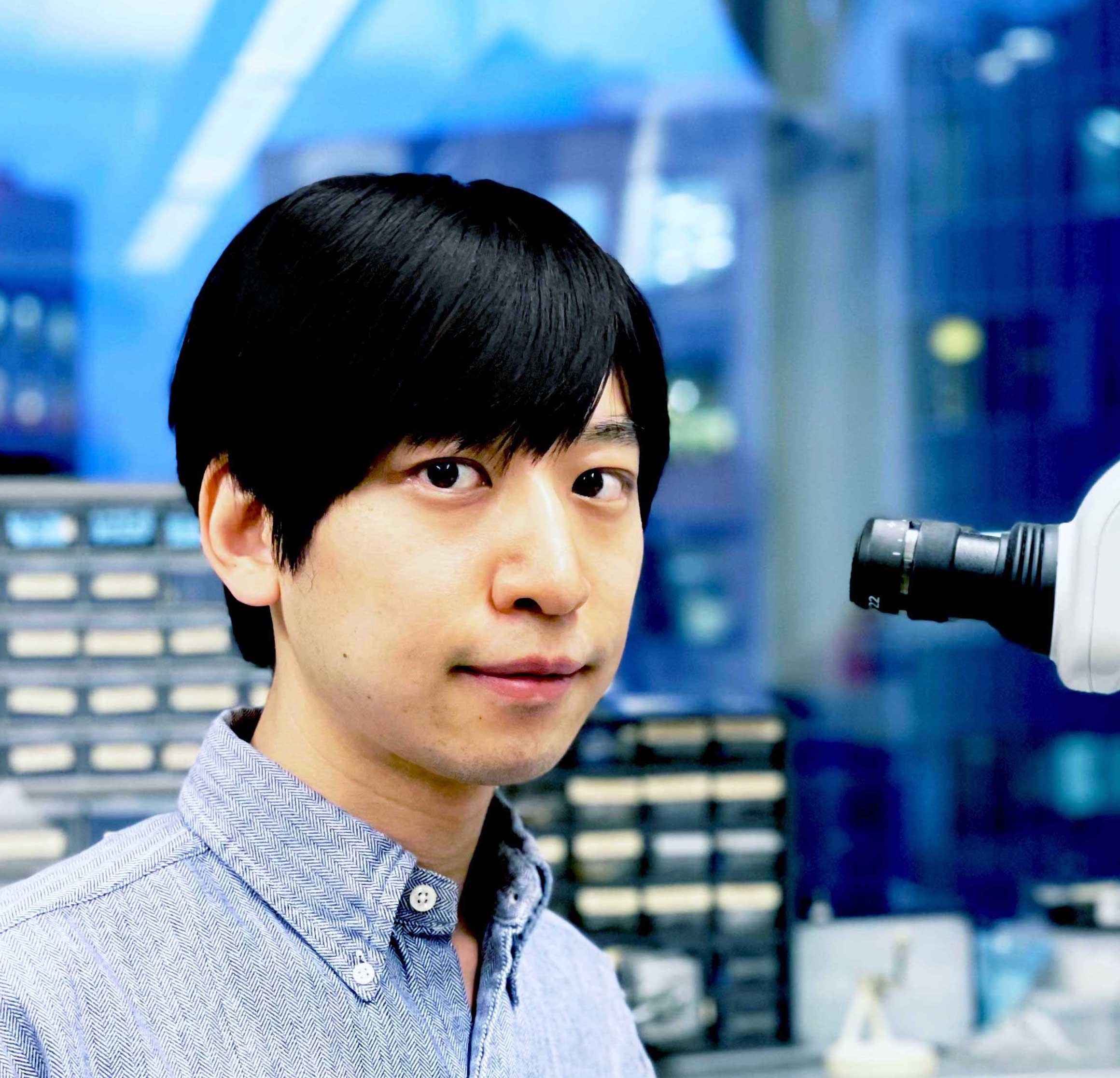
| Takato Honda | Matthew Wilson | Honda is exploring the neural representations of memory and experience in specific behavioral states: active wake, quiet wake, NREM sleep, and REM sleep. To decipher those neural codes and dialogues in the brain, he combines molecular genetics, electrophysiology, optical imaging, behavioral analysis, and computational methods. |
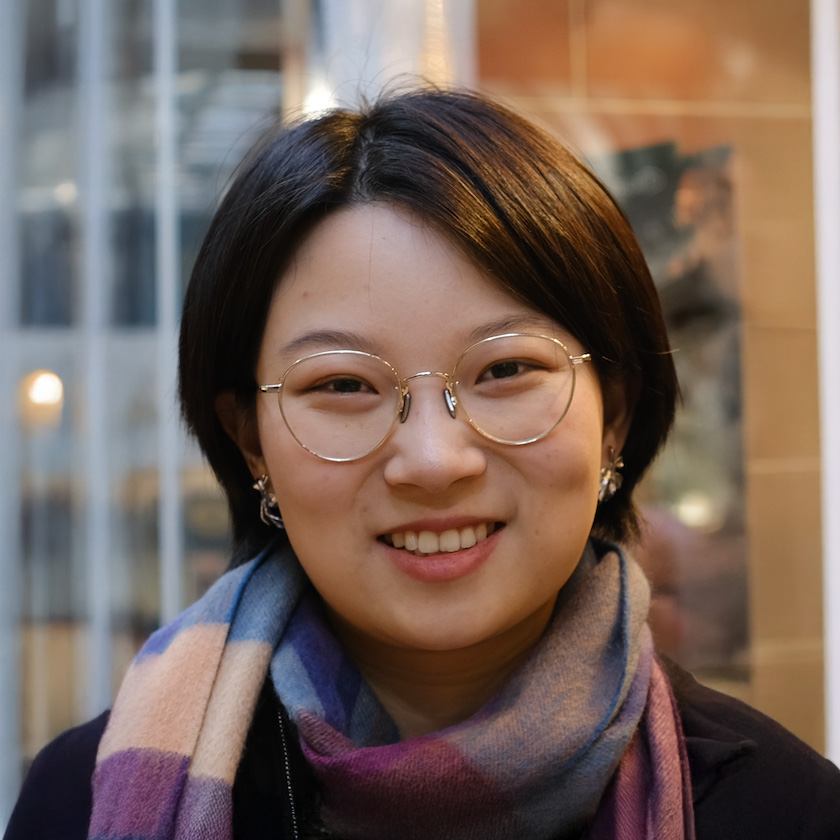
| Ziying Ke | Li-Huei Tsai | Ziying joined the Tsai Lab in 2025 to investigate Alzheimer’s disease progression using multi-omic profiling and advanced 3D multicellular human model systems. |
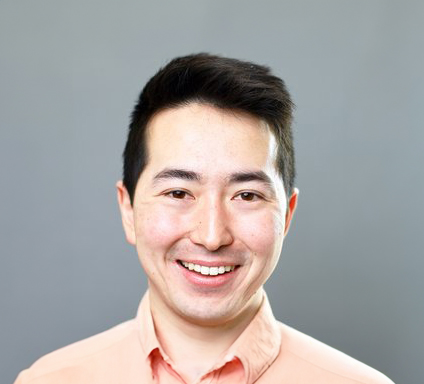
| Julian Kimura | Brady Weissbourd | Kimura's work is focused on generating foundational data establishing the new model organism Clytia hemisphaerica as a system to study regenerative neuroscience. He is focused on discovering mechanisms underlying the animals' ability to regenerate their nervous systems. |
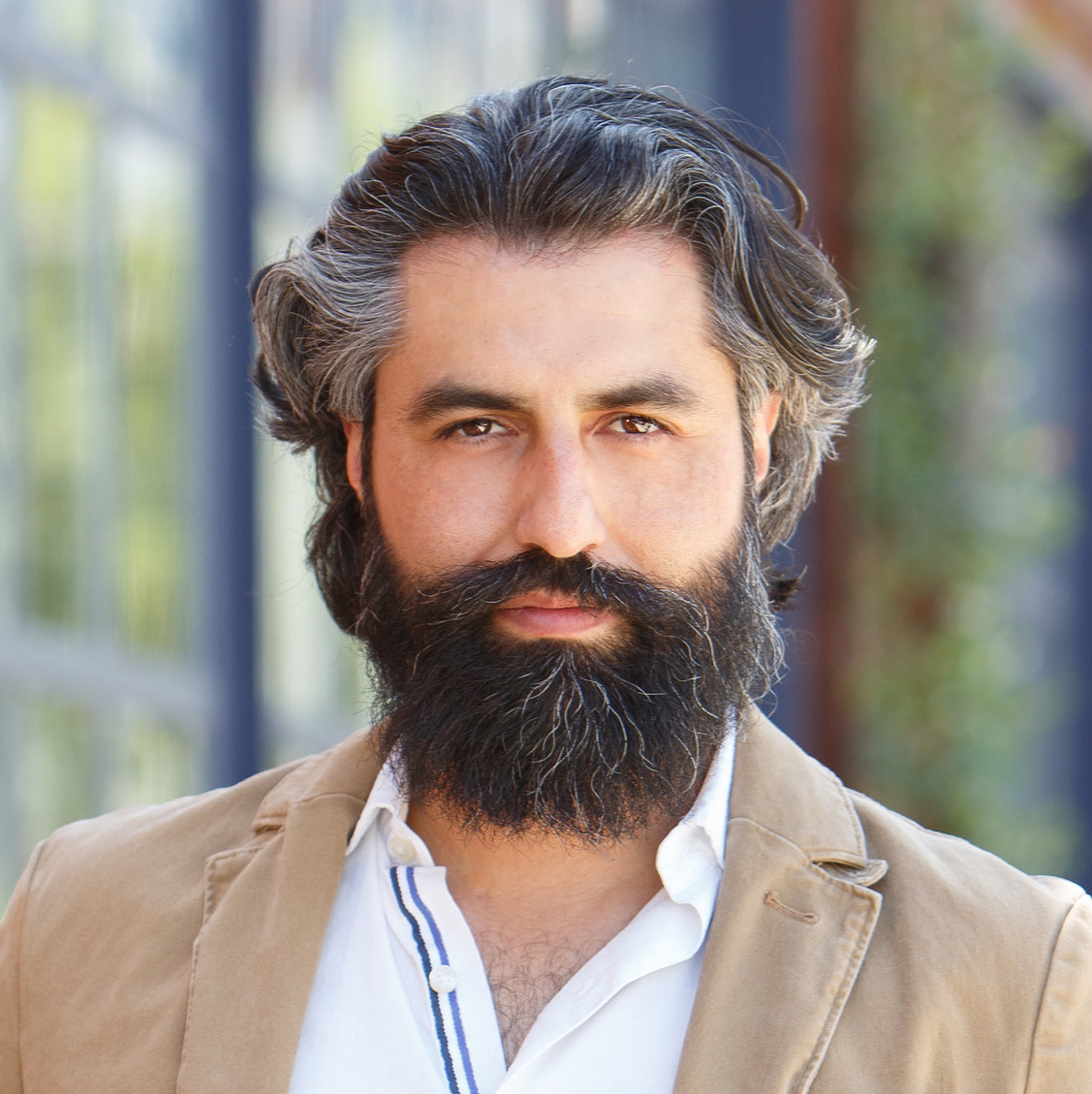
| Lorenzo Ochoa | Kwanghun Chung | Ochoa works to apply tissue transformation and microscopy methods to study disease processes in living and perserved organ tissues. He is interested in investigating neurodegenerative disorders and their associated pathologies by spatially mapping the transcriptome and proteome from the subcellular level to whole organ scale. |
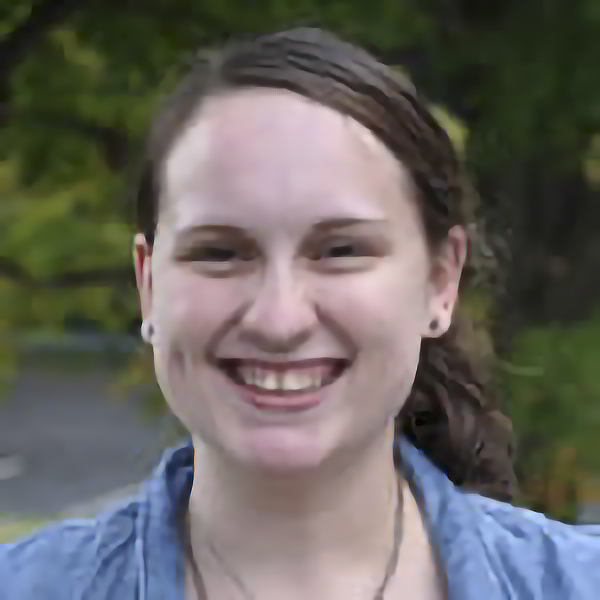
| Jessica Sidisky | Troy Littleton | Sidisky is working on determining if adult Drosophila neuromuscular junctions (NMJs) show diversity in active zone (AZ) strength, AZ protein content and turnover. I will also be working on characterizing the nature and timing of how individual AZs capture and incorporate proteins in aging adult NMJs. |
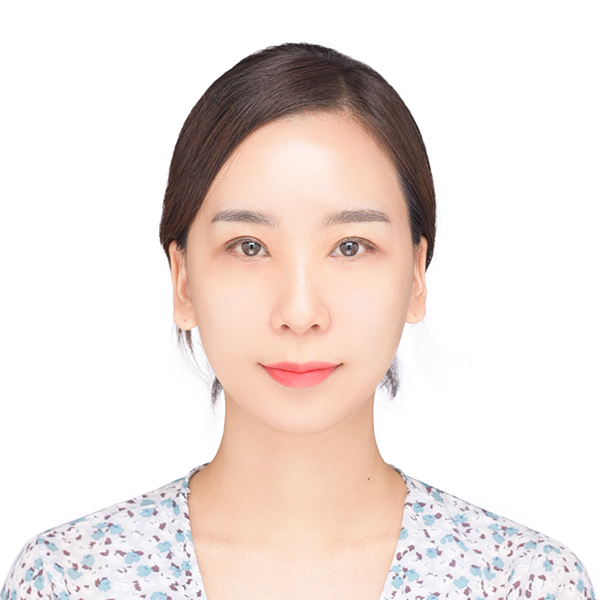
| You-Hyang Song | Gloria Choi | Song is investigating the mechanisms by which immune signaling influences social behavior and stress-related behavioral recovery, with a focus on cytokine–neural interactions and sensory circuit modulation in neurodevelopmental disorder models. |
| Baovi Vo | Elly Nedivi | Vo joined the Nedivi lab to work on a project examining the link between genetic susceptibility to bipolar disorder (BD) and CPG2 expression and function. CPG (Candidate Plasticity Gene)-2 is a brain-specific protein that localizes to excitatory postsynaptic sites and regulates glutamate receptor internationalization. Previous work from the Nedivi lab found BD-related polymorphisms in CPG2 regulatory regions |